
The Evolution of LED Technology: How We Got Here
Lighting is one of those operational essentials that often goes unnoticed until costs start rising or performance begins to fall short. For many UK businesses, traditional lighting systems have quietly drained energy budgets and added unnecessary maintenance demands over the years. That’s where LED technology has steadily reshaped the conversation.
The evolution of LED lighting hasn’t been overnight. It’s been a gradual, science-led progression from a niche innovation to a reliable, high-performance solution now trusted across commercial sectors. Goodlight is helping businesses take full advantage of these advancements, delivering lighting systems that reduce energy use, improve working environments, and support long-term sustainability goals.
From Scientific Discovery to Practical Use – The Origins of LED Technology
The foundations of LED technology date back to 1907, when British scientist H.J. Round first observed electroluminescence. At the time, it was an interesting discovery but not yet commercially useful.
Fast forward to the 1960s, and the first practical LEDs emerged. These early devices produced small amounts of red light and were primarily used as indicators in electronic devices such as calculators and control panels. They were innovative, but far from ready to replace traditional lighting.
Early Limitations
In their early stages, LEDs faced several challenges:
- Low brightness levels
- Limited colour options
- High manufacturing costs.
This meant they remained confined to niche uses rather than mainstream lighting applications.
Breakthrough Years: Expanding What LEDs Could Do – The Importance of the Blue LED
A major turning point came in the early 1990s with the development of the blue LED. This breakthrough made it possible to create white light, something essential for general illumination. Without this step, modern LED lighting wouldn’t exist.
Performance Improvements
Alongside colour development, LEDs began improving in key areas:
- Greater energy efficiency
- Longer operational lifespan
- Improved durability and reliability.
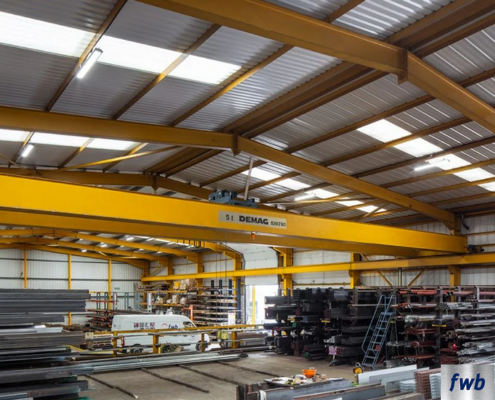
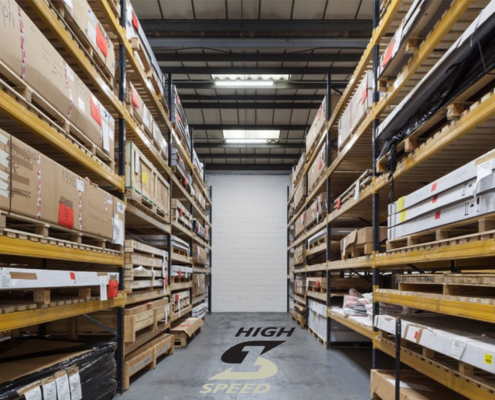
These enhancements started to make LEDs commercially viable, particularly in environments where lighting runs for long hours such as warehouses, factories, and large retail spaces.
The Shift Towards Commercial LED Adoption – Why Businesses Started Paying Attention
By the early 2000s, LEDs were no longer just a technical curiosity. Businesses began to see clear, practical benefits:
Lower electricity consumption
Reduced maintenance and replacement costs
Immediate full brightness with no warm-up time.
For commercial operations, these weren’t small improvements; they directly impacted the bottom line.
Improving Light Quality
Early LED lighting sometimes had a reputation for being too harsh or clinical. But technology didn’t stand still.
Modern LED systems now offer:
- Consistent, high-quality illumination
- Flexible colour temperatures
- Flicker-free performance
Goodlight has played a key role in refining LED solutions specifically for commercial environments, ensuring lighting supports both operational efficiency and workplace comfort.
LEDs and UK Energy Strategy –Aligning with Regulation
The rise of LED lighting has closely matched the increasing pressure on UK businesses to improve energy performance.
Policies such as:
- ESOS (Energy Savings Opportunity Scheme)
- MEES (Minimum Energy Efficiency Standards)
- The UK’s Net Zero targets.
Have made energy efficiency a business priority, not just an environmental one. Upgrading to LED lighting is often one of the simplest and most effective steps organisations can take.
Reducing Costs and Carbon
Switching to LED lighting helps businesses:
- Cut electricity usage significantly
- Lower carbon emissions
- Improve building energy ratings.
Where LED Technology Stands Today – High-Performance Lighting as Standard
Modern LED systems are now the benchmark for commercial lighting. They offer:
- Strong energy efficiency compared to legacy systems
- Long operational life, reducing maintenance cycles
- Consistent light output over time.
For large-scale operations, this reliability isn’t just convenient, it’s essential.
Smart Lighting Integration
LED technology has also evolved alongside smart building systems. Today’s installations can include:
- Motion sensors
- Daylight harvesting controls
- Automated lighting schedules like Light Boss.
These features allow businesses to fine-tune energy usage without constant manual intervention.
A More Sustainable Choice
LEDs also support broader sustainability goals:
- No hazardous materials like mercury
- Lower heat output, reducing cooling demand
- Designed with longevity in mind.
At Goodlight, the focus remains on delivering LED solutions that balance performance with environmental responsibility helping businesses move toward more sustainable operations without unnecessary complexity.
LED lighting continues to develop, with future advancements that include:
- Greater integration with smart and automated systems
- Lighting designed to support wellbeing and productivity
- Continued improvements in efficiency and environmental impact.
For businesses, this means ongoing opportunities to refine energy strategies and stay ahead of regulatory requirements.
FAQ Section
- What makes Goodlight LED solutions different?
Goodlight focuses specifically on commercial LED lighting, delivering tailored solutions designed for efficiency, reliability, and long-term performance.
- How much energy can businesses save with LED lighting?
Savings vary depending on the existing system, but LED lighting consistently reduces energy consumption compared to traditional alternatives.
- Does switching to Goodlight LED lighting support UK compliance?
Yes. LED upgrades can contribute towards meeting ESOS and MEES requirements by improving overall energy efficiency.
- How long does it take to upgrade to LED lighting?
Timelines depend on the size and complexity of the site, but many installations can be completed with minimal disruption.
- Is the Investment Justified?
While LED systems may involve an upfront cost, the long-term savings in energy and maintenance typically outweigh this. For many organisations, the return becomes clear over time, especially as energy costs continue to fluctuate.
- Can Existing Systems Be Upgraded Easily?
In most cases, yes. LED retrofitting allows businesses to upgrade their lighting without major structural changes, making the transition more straightforward than many expect.
The evolution of LED technology has made one thing increasingly clear: traditional lighting systems are no longer fit for purpose in modern commercial environments.
Rising energy costs, tighter regulations, and growing sustainability expectations mean businesses need smarter, more efficient solutions. LED lighting delivers on all fronts but only when it’s properly specified and implemented.
Goodlight works with commercial organisations across the UK to design and deliver LED lighting systems that reduce costs, improve performance, and support long-term energy strategies.
If you’re reviewing your lighting or planning an upgrade, now is the right time to act.
Speak to Goodlight today to explore how your business can benefit from advanced commercial LED lighting.